What is PT-141?
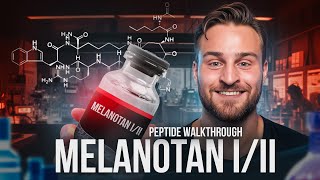
PT-141 is the research code for bremelanotide. It is a ring-shaped peptide of seven amino acids, and it is closely related to melanotan II. Melanotan II was developed for tanning, but early studies found that it also caused erections in men. Bremelanotide came out of that observation and was developed as a drug for sexual dysfunction.
It was first studied as a nasal spray for erectile dysfunction in men. That version was dropped after it was linked to rises in blood pressure. Development then shifted to women, and in 2019 the US FDA approved bremelanotide as Vyleesi for premenopausal women with acquired, generalized hypoactive sexual desire disorder, meaning low desire that causes distress and is not explained by another condition, relationship problems or a medicine. In its approved use, it is given as an injection.
How does PT-141 work?
Bremelanotide activates melanocortin receptors, especially MC4R, which is found in the hypothalamus and other brain areas involved in sexual behavior. Animal studies suggest that activating these receptors affects brain signaling, including dopamine release in regions tied to sexual motivation. The exact way this changes desire in people is not fully understood. Because it also activates MC1R, the receptor that controls skin pigment, it can darken patches of skin.
What has research looked at?
- Low desire in women
- In two phase 3 trials in premenopausal women with low sexual desire, bremelanotide led to modest improvements in desire scores and reduced distress compared with placebo. It did not clearly increase the number of satisfying sexual events compared with placebo.
- Erectile dysfunction in men
- Earlier trials in men with erectile dysfunction reported erectile responses compared with placebo. It is not approved for use in men.
- Other groups
- Research has been limited in postmenopausal women, and the approved use does not cover them.
PT-141 has stronger evidence than most compounds in this library because it went through large clinical trials. Even so, the benefits seen in those trials were modest, and nausea was common. The main trials enrolled premenopausal women with a diagnosed desire disorder, so they say little about other groups.
PT-141 vs sildenafil (Viagra)
Sildenafil and similar drugs are PDE5 inhibitors. They work on blood vessels, mainly helping blood flow to the penis, and they do not directly change desire. Bremelanotide works in the brain on melanocortin receptors and was approved to address desire rather than blood flow. That difference is one reason it was studied for low desire in women. Both drug types can affect blood pressure, and the effects of combining them are not well established.
Side effects and cautions
In clinical trials, nausea was the most common side effect, reported by about 40 percent of those given bremelanotide, and some people stopped treatment because of it. Bremelanotide also causes a temporary rise in blood pressure and a drop in heart rate after each use, which usually settle within about 12 hours. The approved labeling lists uncontrolled high blood pressure and known heart or blood vessel disease as reasons not to use it, and it is not recommended for people at high risk of heart disease. Anyone considering it should talk to a qualified clinician.
- Other common effects
- Flushing, headache, vomiting and reactions at the injection site were also reported.
- Skin darkening
- Darkening of patches of skin, including on the face, gums and breasts, was reported. It was more common with more frequent use and in people with darker skin, and it did not always fade after stopping.
- Effects on other medicines
- It can slow stomach emptying and reduce the absorption of some oral medicines. It can significantly lower levels of oral naltrexone, so the labeling advises against combining it with oral naltrexone taken for alcohol or opioid dependence, where lower levels could make that treatment fail.
- Pregnancy
- Animal studies at high exposures showed harm to the fetus, and the labeling advises stopping it if pregnancy is suspected.
- Unapproved products
- Products sold outside the approved medicine are not made under the controls that apply to approved drugs, so their contents and purity cannot be confirmed.
Further reading
This page summarizes the research in plain words. To read the studies yourself:
- Published studies on PT-141 PubMed, US National Library of Medicine
- Registered human trials of PT-141 ClinicalTrials.gov